Cyber Monday Discount is Live! Use code CYBER for $300 off any course
27
Days
21
Hours
03
Minutes
09
Seconds
Cyber Monday Discount is Live! Use code CYBER for $300 off any course
✕27Days
21Hours
3Mins
9Secs

Sports Management Worldwide
The Global Leader in Sports
Business Education
Sports Management Worldwide
Call US 503 445 7105
The Global Leader in Sports
Business Education
Sports Management Worldwide
Call US 503 445 7105

How to Get Into Sports Broadcasting Without Experience
How to Get Into Sports Broadcasting Without Experience
October 28, 2026 by
SHARE


You can break into sports broadcasting without previous professional experience by building a demo reel, gaining hands-on practice, and developing relationships with people working in sports media. You don't need to start at ESPN or call an NFL game to begin your career. Local sports, digital platforms, college athletics, and online broadcasting have created multiple ways to gain experience.
With football, basketball, and hockey seasons underway, sports fans are consuming live coverage, highlights, interviews, podcasts, and commentary across more platforms than ever.
Someone has to create all that content. Why couldn't it be you?
Can You Get Into Sports Broadcasting Without Experience?
Yes, you can start a sports broadcasting career without previous professional experience, but you need to demonstrate your communication skills, sports knowledge, and ability to create engaging content.
For many aspiring broadcasters, the biggest challenge is getting that first opportunity.
The solution? Start creating your own opportunities.
You can practice calling games, interview local athletes, host a sports podcast, or produce short video segments covering teams you follow.
These projects may not be professional broadcasting jobs, but they can help you develop the skills and portfolio that employers want to see.
In sports broadcasting, showing what you can do is often more powerful than simply telling someone you're passionate about sports.
What Jobs Are Available in Sports Broadcasting?
Sports broadcasting careers include on-air positions, production roles, digital content creation, and behind-the-scenes opportunities.
When most people think of sports broadcasting, they picture a play-by-play announcer or television analyst.
But every broadcast requires an entire team of professionals.
Career opportunities include:
-
Play-by-play announcer: Describes live sporting events for television, radio, or streaming audiences.
-
Color commentator: Provides analysis, strategy, and insight during games.
-
Sideline reporter: Conducts interviews and delivers updates from the field or court.
-
Sports podcast host: Creates discussions, interviews, and original sports programming.
-
Broadcast producer: Helps organize and execute live or recorded productions.
-
Production assistant: Supports broadcasts through research, editing, graphics, and production tasks.
-
Video editor: Produces highlights, features, interviews, and social media content.
-
Digital sports content creator: Develops video, audio, and social programming for teams, leagues, and media outlets.
Not every sports broadcasting career requires being on camera.
For people interested in technology, storytelling, editing, or production, there are opportunities behind the scenes as well.
How Do You Build a Sports Broadcasting Demo Reel?
You can build a sports broadcasting demo reel by recording short examples of your play-by-play commentary, interviews, reporting, or sports analysis and combining your strongest work into a portfolio.
A demo reel allows employers to evaluate how you communicate and present information.
You don't need an expensive studio to get started.
A microphone, recording software, and a quiet space can be enough to begin practicing.
Here are five ways to create your first broadcasting portfolio.
1. Practice Play-by-Play Commentary
Choose a sport you understand and practice describing the action clearly and naturally.
Focus on preparation, timing, accuracy, and knowing when to let the game speak for itself.
Use footage or events you have permission to record or broadcast. Avoid reposting copyrighted game broadcasts without authorization.
2. Record a Sports Analysis Segment
Create a two-minute breakdown of a team's performance, an upcoming matchup, or a player development trend.
This demonstrates your ability to explain sports to an audience.
3. Interview a Coach or Athlete
Reach out to a local coach, athlete, or athletic administrator and request a short interview.
Prepare thoughtful questions and practice listening, following up, and keeping the conversation moving.
4. Start a Sports Podcast or Video Series
Consistent content creation helps you improve your delivery and develop your own style.
You can focus on one sport, one team, or a particular area of sports business.
5. Edit Your Best Work Into a Demo Reel
Select a few strong clips that demonstrate different skills.
A concise, polished reel is generally more useful than a long collection of unedited recordings.
The goal isn't to look like a national broadcaster on day one. It's to show improvement, preparation, and potential.
Where Can You Get Your First Sports Broadcasting Opportunity?
Local sports organizations, college athletic departments, community media outlets, and smaller professional teams can provide opportunities to gain early broadcasting experience.
Aspiring broadcasters often overlook opportunities close to home.
High school athletics, community colleges, amateur leagues, and smaller sports organizations may need help producing games, creating highlights, or conducting interviews.
Look for opportunities involving:
-
High school and college sports broadcasts
-
Minor league and independent sports organizations
-
University athletic communications departments
-
Local radio stations and digital media outlets
-
Sports streaming services
-
Team social media and video production departments
You can also explore sports media internships and production assistant positions.
For example, ESPN's early-career production pathway has included responsibilities such as editing highlights, preparing graphics, researching content, and supporting live events.
Your first opportunity might be behind a camera or inside a production room rather than behind a microphone.
That experience can still help you understand the broadcasting industry and build valuable professional relationships.
What Skills Do Sports Broadcasting Employers Look For?
Sports broadcasting employers look for strong communication, preparation, storytelling, technical ability, and the capacity to perform under pressure.
Knowing sports is important, but knowing how to communicate sports is what separates an enthusiastic fan from an effective broadcaster.
Some of the most valuable skills include:
Communication and storytelling: Explain what is happening and why it matters without overwhelming your audience.
Research and preparation: Know the teams, athletes, statistics, and storylines before the broadcast begins.
Interviewing: Ask meaningful questions, listen carefully, and respond naturally.
Audio and video production: Develop familiarity with microphones, recording equipment, editing software, and streaming platforms.
Adaptability: Live sports are unpredictable. Broadcasters must react quickly while maintaining accuracy and professionalism.
Professional relationships: Build connections with producers, reporters, athletic departments, and other people working in sports media.
These are skills you can begin practicing long before you receive your first professional job offer.
How Can SMWW Help You Start a Sports Broadcasting Career?
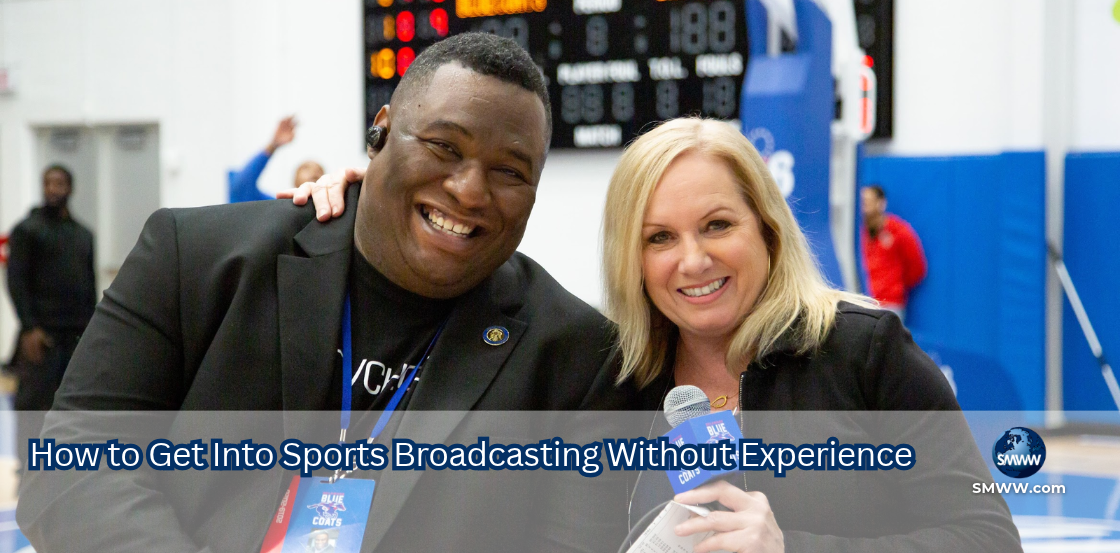
Sports Management Worldwide offers a Sports Broadcasting course designed to help aspiring broadcasters develop practical communication, interviewing, and on-air skills while learning from an experienced sports media professional.
The course features Dei Lynam, a veteran sports reporter whose career has included NBA coverage, sideline reporting, sports anchoring, and production work.
Lynam spent many years covering the Philadelphia 76ers and brings extensive professional broadcasting experience to SMWW students.
Through SMWW's Sports Broadcasting training, students can explore areas such as:
-
Sports play-by-play and commentary
-
Conducting coach and athlete interviews
-
Pregame and postgame reporting
-
Developing an on-air personality
-
Preparing sports programming
-
Understanding the professional broadcasting environment
The online format gives aspiring broadcasters an opportunity to develop their knowledge while continuing their education or current careers.
For students interested in working in sports media, learning directly from someone who has spent years covering professional sports can provide valuable industry perspective.
Explore SMWW's Sports Broadcasting Course
Your Sports Broadcasting Career Can Start With One Game
The first step toward a sports broadcasting career is to begin practicing, creating content, and pursuing opportunities to gain experience.
You don't have to wait for a television network to give you permission to start.
Call a local game. Record an interview. Produce a podcast. Build a demo reel.
Then keep improving.
The sports industry needs talented communicators who can inform, entertain, and connect with audiences.
Whether your goal is to become an NBA sideline reporter, an NFL commentator, a college sports broadcaster, or a digital sports producer, the journey begins with developing the skills to do the job.
Your future in sports broadcasting could start with the next game you watch.
Take the first step toward turning your passion for sports into a career.
Learn About Sports Broadcasting With SMWW
Frequently Asked Questions
Can you become a sports broadcaster without a journalism degree?
Yes, you can become a sports broadcaster without a journalism degree. Employers may consider communication skills, relevant experience, demo reels, and technical abilities alongside formal education. Requirements vary by position.
How do you get your first job in sports broadcasting?
You can pursue your first sports broadcasting job by building a demo reel, gaining experience through local or college sports, and applying for internships or entry-level media positions. Production assistant and digital content roles can also provide entry points.
What should be included in a sports broadcasting demo reel?
A sports broadcasting demo reel should feature your strongest examples of commentary, reporting, interviewing, or analysis. Choose clips that demonstrate clear communication, preparation, personality, and professional presentation.
Can you start a sports broadcasting career while working full-time?
Yes, you can begin developing sports broadcasting skills while maintaining a full-time job. Recording podcasts, practicing commentary, taking online courses, and pursuing occasional local broadcasting opportunities can help you build experience.
Who teaches SMWW's Sports Broadcasting course?
Dei Lynam, a veteran sports reporter with extensive NBA broadcasting experience, is featured as a mentor in Sports Management Worldwide's Sports Broadcasting course. Her background includes sideline reporting, anchoring, and sports media production.